
Is Medicine the Only Solution for ADHD?
Is Medicine the Only Solution for ADHD?
ADHD, also known as attention deficit hyperactivity disorder, is a neurodevelopmental condition that affects millions of people worldwide.

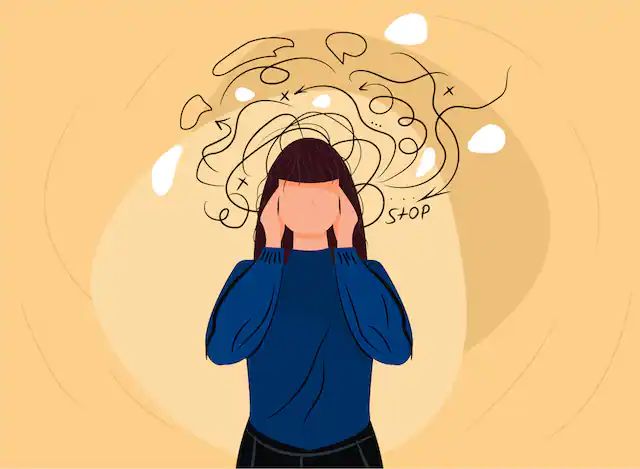
ADHD, also known as attention deficit hyperactivity disorder, is a neurodevelopmental condition that affects millions of people worldwide. Common symptoms such as difficulty sustaining attention, being hyperactive or impulsive, organizational difficulties, and forgetfulness may seem like they can be fixed by ‘working harder’ or ‘trying to focus more’, but unfortunately, advice like this doesn’t work for someone with ADHD.
The journey of living with ADHD can be both challenging and misunderstood. For individuals diagnosed with ADHD, it may feel as though their brains are constantly racing, making it difficult to focus, organize, or complete tasks. This can lead to frustration and even a negative self-image.
It is not possible to completely eliminate ADHD from one’s life because it is a neurodevelopmental disorder that means you were born with the condition. The most common way to deal with the symptoms of ADHD, as with other psychological disorders, is through medication. The medications used for ADHD are generally in the stimulant category. The most common ones, with the same main active ingredient, methylphenidate, are Ritalin and Concerta. Medications can increase a person’s focus, reduce impulsivity, and help regulate hyperactivity. But for adults, life with ADHD isn’t just about attention—it’s about building systems, maintaining motivation, and navigating relationships. These areas often require tools and strategies that medication alone cannot provide.
The good news? With a holistic approach combining medication with lifestyle changes, therapy, and self-management techniques can create long-term success.
1. Behavioral Therapy for Real-Life Challenges
Behavioral therapy is a cornerstone of managing ADHD in adults. Unlike medication, therapy provides tools to tackle everyday challenges, such as staying organized, meeting deadlines, and handling emotions.
• Cognitive-behavioral therapy (CBT): This approach helps adults identify unhelpful thought patterns and replace them with productivity and emotional control strategies.
• Practical skill-building: A therapist might help you create systems for managing tasks, setting priorities, and overcoming procrastination.
2. The Role of Structure and Routines
For adults with ADHD, structure isn’t just helpful—it’s essential.
• Daily routines: Consistent morning and evening routines can reduce decision fatigue and help you purposefully start and end your day.
• Time-blocking: Scheduling blocks of time for specific activities (e.g., email, errands) helps maintain focus and avoid distractions.
• Decluttering: Creating a simplified, organized workspace minimizes the chaos and helps you feel more in control.
Tip: Setting up visual reminders, like to-do lists or calendars, can support consistent routines.
3. Physical Activity: A Natural Focus Booster
Exercise isn’t just for physical health—it’s a game-changer for mental clarity and focus. Studies show that physical activity increases dopamine levels, which are often deficient in individuals with ADHD.
• Aerobic exercises: Activities like running, cycling, or dancing can improve executive function and reduce impulsivity.
• Strength training and yoga: These activities combine focus and movement, which can be particularly beneficial for adults with ADHD.
• Movement breaks:Incorporating short, frequent breaks during work keeps energy levels steady and reduces frustration.
4. Mindfulness and Emotional Regulation
Many adults with ADHD struggle with emotional dysregulation, leading to frustration, and overwhelming, and impulsive decisions. Mindfulness practices can help by promoting self-awareness and calming the mind.
• Meditation: Guided meditation can improve focus and reduce stress.
• Journaling: Writing down thoughts can help untangle emotions and prioritize tasks.
• Breathing exercises:Simple techniques, such as box breathing (inhaling for 4 seconds, holding for 4, exhaling for 4, holding for 4), can quickly reduce stress.
5. Nutrition and Its Impact on Focus
What you eat can influence your ADHD symptoms. For adults juggling busy schedules, mindful nutrition is critical:
• Eat balanced meals: Protein-rich foods like eggs, nuts, and lean meat help stabilize energy levels.
• Avoid energy crashes: Limit sugary snacks and go for complex carbs to maintain focus throughout the day.
• Hydrate:Dehydration can worsen symptoms like fatigue and irritability so make sure to drink enough water during the day.
Tip: Preparing simple, healthy meals in advance can help prevent impulsive food choices during a busy week.
6. Building a Support Network
ADHD can feel isolating, especially for adults who have spent years struggling without a diagnosis. Connecting with others can make a world of difference:
• Support groups: Online and in-person groups provide a safe space to share experiences and learn strategies.
• Coaching: ADHD coaches specialize in helping adults build skills for time management, goal setting, and self-discipline.
• Loved ones:Educating friends and family about ADHD can foster understanding and strengthen relationships.
Success Is a Journey, Not a Destination
Managing ADHD as an adult is about more than just “fixing” symptoms—it’s about learning to live in a way that aligns with your strengths and values. While medication can play a role, it’s not the only answer. By embracing a holistic approach—incorporating behavioral therapy, lifestyle changes, mindfulness practices, and innovative solutions like those from MTM Biotech—adults with ADHD can build fulfilling and balanced lives.
At MTM Biotech, we recognize that not everyone wants—or can afford—traditional treatments. That’s why we’re designing innovative solutions that combine the latest research in neuroscience and psychology to provide accessible, non-invasive ways to improve focus and regulate emotions.
Together, we can redefine what it means to thrive with ADHD. Are you ready to start your journey?